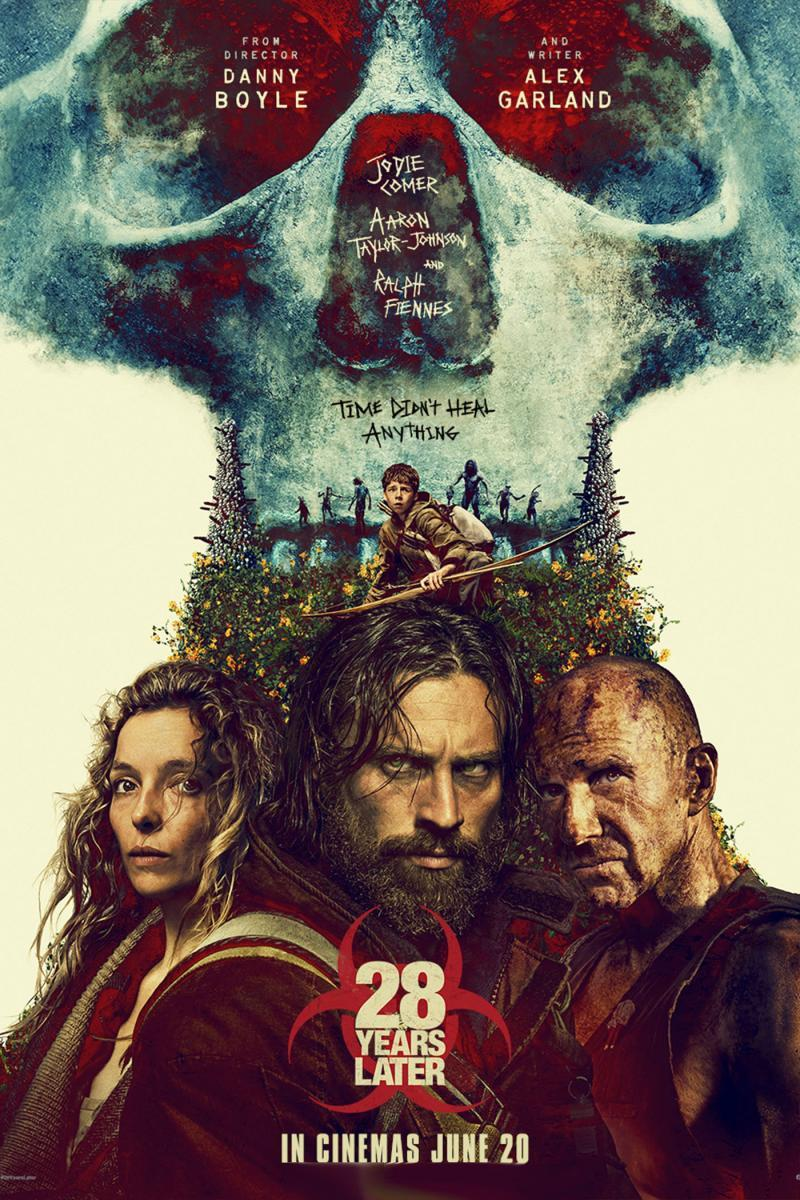
“…For any zombie fan, it’s a must….”
I am not a huge fan of the zombie-apocalypse kind of movies. I don’t mind them, but this particular subgenre of horror movies is always rather lacking in style and often the plot is more or less non-existent. Comedies such as Shaun of the Dead, Warm Bodies and Zombieland are almost always much more clever and interesting than most playing-it-straight zombie movies.
There are occasional exceptions. For instance, despite butchering the point (and title) of the book, I am Legend is pretty darned good. I’m still traumatised about that damned dog. There’s quite a lot of depth to it, for all its flaws.
But the one franchise that has been consistently brilliant and different – not just from other movies but from itself – is the 28 Weeks franchise originally created by Alex Garland and either directed or produced or both by Danny Boyle.
That last name should give all the clues you need about the quality of these films. Everything Boyle touches is pure quality gold. Shallow Grave, Trainspotting, Slumdog Millionaire, Yesterday…there are many more but you get the idea. Boyle doesn’t just do ‘good movies’; he does iconic ones.
28 Days Later – built on the premise of a ‘rage’ virus that has spread fast around the UK – introduced a young Cillian Murphy to the larger world back in 2003 and few would have realised he’d go on to be a major star in years to come. Fewer still realised just how monumental this relatively low budget movie would prove to be. With the typical British way of concentrating more on characters than gore, we got a zombie movie that entertained the mind as much as make the heart pound. In fact, such a concentration made the claustrophobic sense of panic much more effective.
28 Weeks Later came out in 2007 and starred the wonderfully talented Robert Carlyle playing father of two kids and husband to an ill-fated wife, who move back to London after it is secured by authorities and attempts to repopulate the UK are beginning. While the original team were less involved in this sequel, the spirit of the first is alive and kicking, albeit with a much bigger budget and more emphasis on gore. It’s still uncomfortably good though, leaving you very much with a feeling of being right there and sharing the distress of the characters. The opening sequences have haunted my imagination since first seeing it.
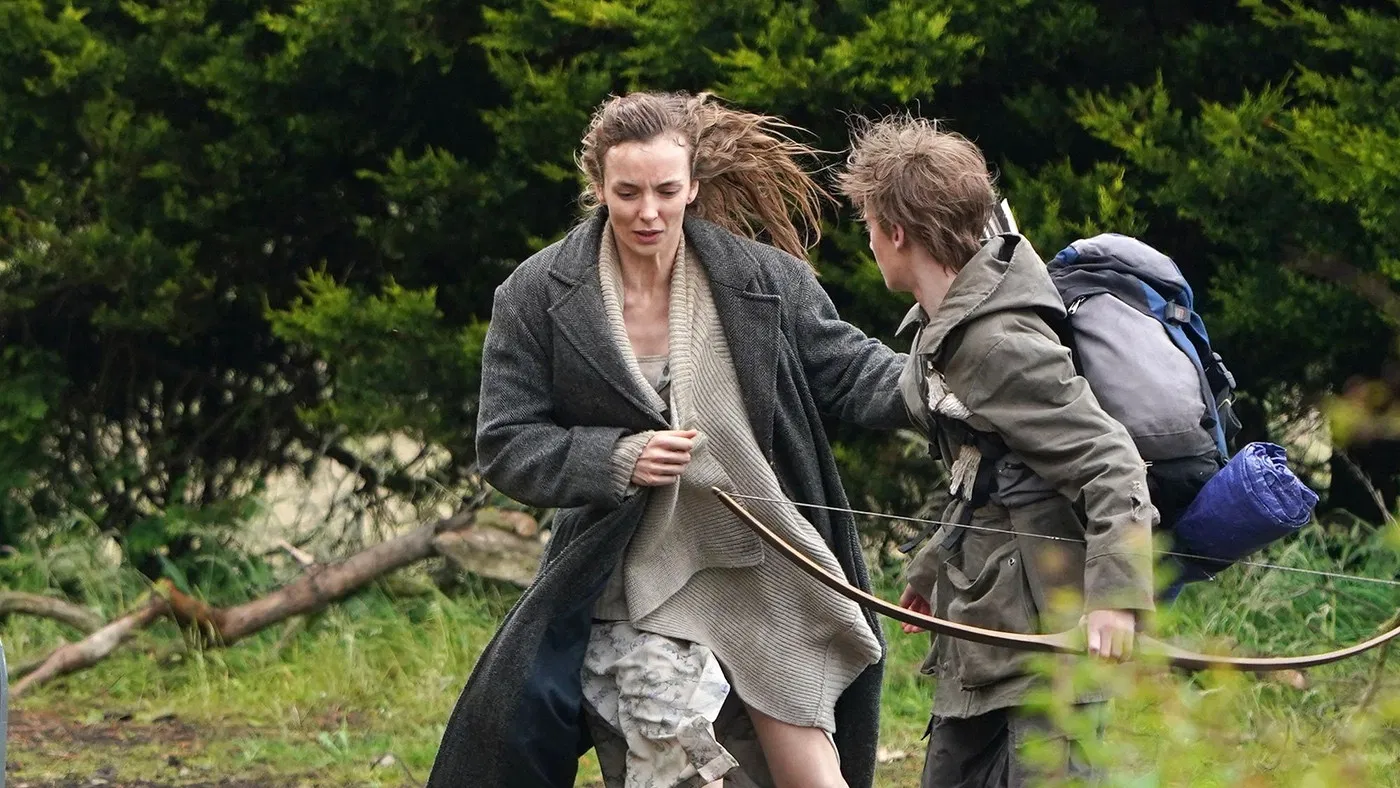
That brings us to this third movie (released in 2025) which also has an astonishing actor – Jodie Comer, who appears to handle literally any accent or language with ease. Here she plays the deranged and clearly sick mother to the main character played by equal boy talent, Alfie Williams. In this movie, the UK island has been quarantined and left to fend for itself by the rest of Europe. The Rage virus has evolved and there’s a sense of coming to terms with a different kind of humanity that is emerging. This movie brings Boyle, Garland and others back into production and returns us to the low budget focus on character and morality. With the addition of Ralph Fiennes (a stroke of casting genius, I should say), you’ve got an incredibly powerful story that is just as uncomfortable as the previous ones.
The big difference with this one is that it is going to have its own sequel – 28 Years Later: The Bone Temple. It is out in cinemas now and is the whole reason I wanted to watch the third movie first. I’m glad I did, as I think the fourth instalment will make little sense without watching its predecessor first. It is a perfect example of the way Boyle reinvents what he’s doing as he does it. This is the first time there hasn’t been a large gap of several years between movies and the first time there’s any sense of sequel in terms of continuing with characters previously introduced. It is possible to watch the first three films completely independently of one another. The only link is the virus itself and the new scenario each time for the island. You don’t need to watch the earlier movies to understand what is taking place and there’s no reference to earlier characters – although there was a reportedly possible Easter egg of a Cillian Murphy-like creature that appears briefly, which now seems defunct with the fourth movie having come out, for reasons I won’t explain.
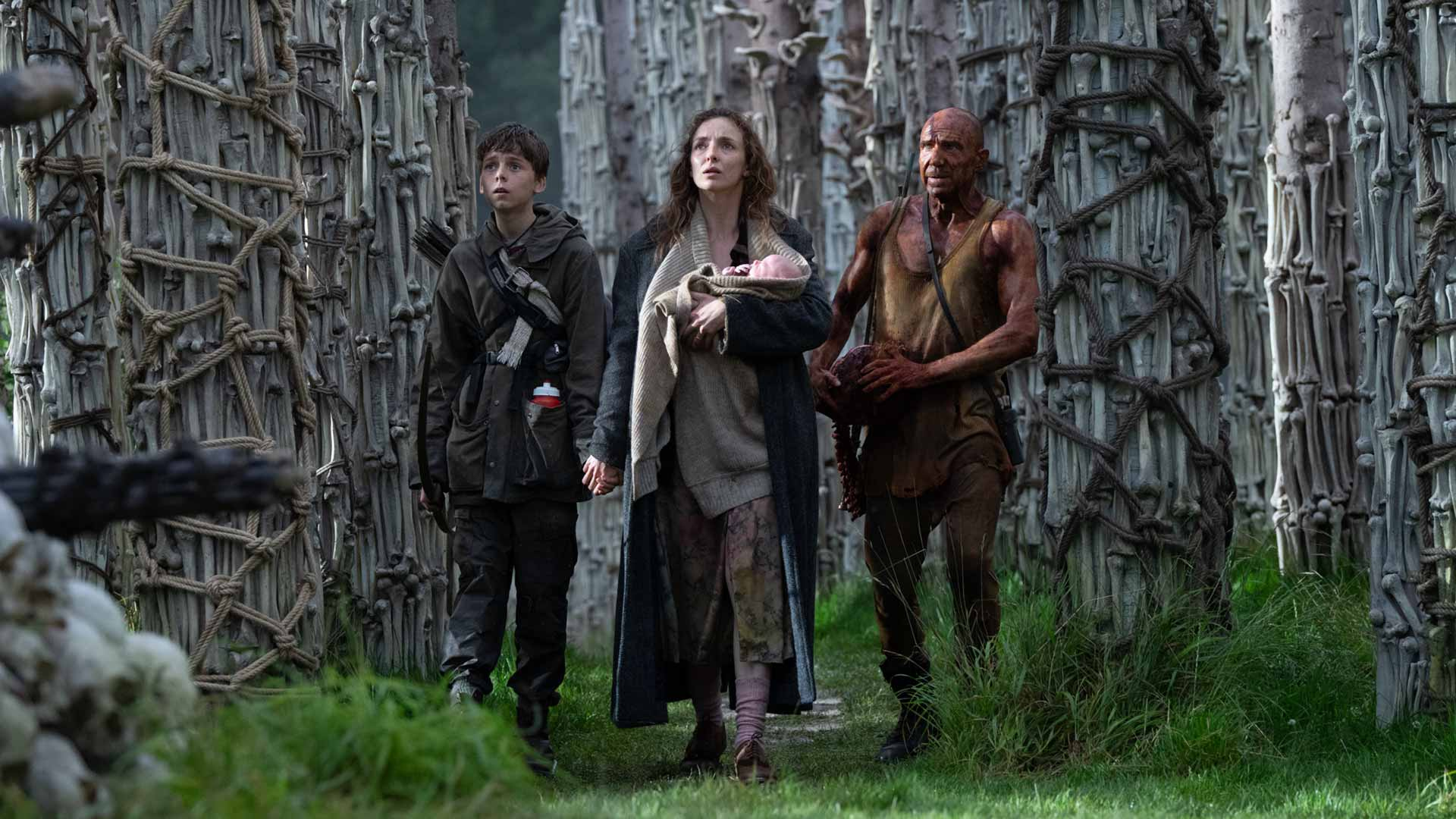
The cleverness of the franchise – and 28 Years Later especially – is how it makes you question morality. What does it mean to survive? How do you maintain your humanity when killing other humans becomes a boy’s rite of passage? Does your kind of species have any more right to live than another? And what of the dead? Are they to be forgotten, or honoured? Boyle and Garland make you squirm as you ponder these questions.
And then, at the end, the whole movie takes a sudden left turn and makes you feel like the genre has completely changed. It is so sudden, and so right at the end, that you barely have time to process what you’ve just seen before the credits roll. Of course, that makes it perfect for hooking you in and making you want to see the next movie, and that’s exactly what I intend to do.
There’s always the fear that when you’ve reached a third or fourth instalment in a franchise that the creative juices have run dry and anything new will simply be a disappointment. That’s entirely possible – I’ll report back once I’ve seen The Bone Temple – but my feeling is that Boyle has always known his stuff and continues to show the same level of creativity he’s shown for more than thirty years as a director.
Right now though, I’d say this is a movie you probably want to watch, even if you don’t do the others. For any zombie fan, it’s a must. For any Boyle fan, it’s a must too. And for anyone who just loves crackingly good actors in a film with many interesting concepts, it probably ought to be on your hit list too.
My Verdict:

Social Entrepreneur, educationalist, bestselling author and journalist, D K Powell is the author of the bestselling collection of literary short stories “The Old Man on the Beach“. His first book, ‘Sonali’ is a photo-memoir journal of life in Bangladesh and has been highly praised by the Bangladeshi diaspora worldwide. Students learning the Bengali language have also valued the English/Bengali translations on every page. His third book is ‘Try not to Laugh’ and is a guide to memorising, revising and passing exams for students.
Both ‘The Old Man on the Beach’ and ‘Sonali’ are available on Amazon for kindle and paperback. Published by Shopno Sriti Media. The novel,’The Pukur’, was published by Histria Books in 2022.
D K Powell is available to speak at events (see his TEDx talk here) and can be contacted at dkpowell.contact@gmail.com. Alternatively, he is available for one-to-one mentoring and runs a course on the psychology of writing. Listen to his life story in interview with the BBC here.
Ken writes for a number of publications around the world. Past reviewer for Paste magazine, The Doughnut, E2D and United Airways and Lancashire Life magazine. Currently reviews for Northern Arts Review. His reviews have been read more than 7.9 million times.
Get a free trial and 20% off Shortform by clicking here. Shortform is a brilliant tool and comes with my highest recommendation.


 Write Out Loud (Reviews and Writing)
Leave a comment